Obesity and Heart Health
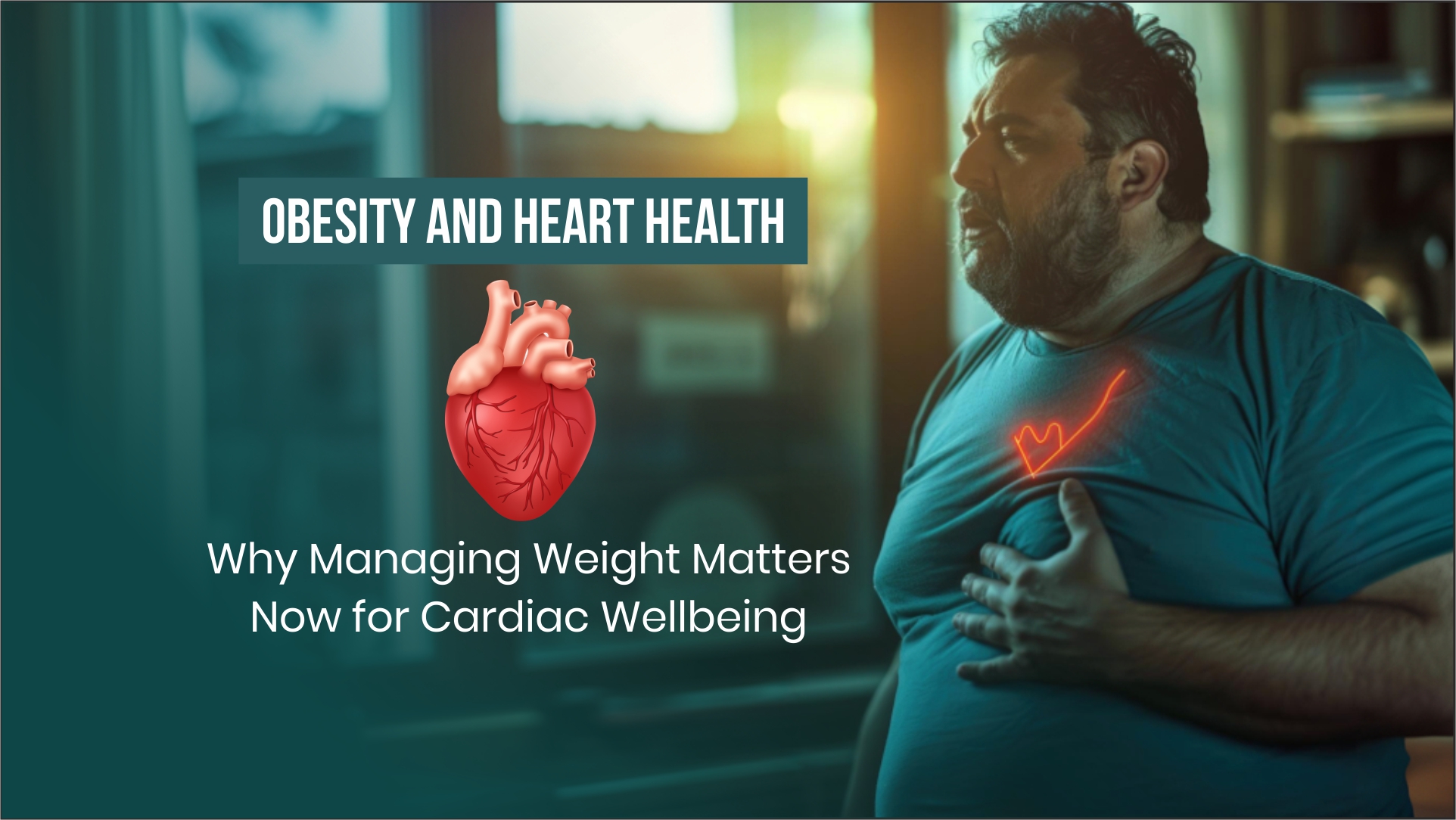
Obesity and Heart Health: Why Managing Weight Matters Now for Cardiac Wellbeing
Obesity is no longer just a lifestyle concern — it is a serious chronic disease directly linked to heart health. Across India, cardiologists are witnessing a steady rise in cardiovascular problems among individuals who are overweight or obese. The connection between excess body fat and heart disease is now scientifically undeniable.
At KG Hospital, Coimbatore, our cardiac specialists emphasize that early weight management can significantly reduce the risk of heart attack, heart failure, and other cardiovascular complications.
Understanding Obesity as a Chronic Disease
Obesity is medically classified as Adiposity-Based Chronic Disease (ABCD). It is not merely about appearance or body size — it is a metabolic condition that affects nearly every organ system, especially the heart.
What Is Obesity?
A person is considered obese when their Body Mass Index (BMI) is above 30. However, BMI alone may not provide the full picture. Measuring central obesity (abdominal fat) is often more accurate in assessing cardiac risk.
Abdominal fat is metabolically active and plays a major role in:
-
Insulin resistance
-
Chronic inflammation
-
Hormonal imbalance
-
Atherosclerosis (artery blockage)
How Obesity Affects Heart Health
Excess body fat impacts the heart in several dangerous ways:
1. Increases Insulin Resistance
Obesity reduces the body’s ability to use insulin effectively, leading to Type 2 diabetes — a major risk factor for heart disease.
2. Triggers Chronic Inflammation
Persistent low-grade inflammation damages blood vessels and accelerates plaque formation in arteries.
3. Raises Blood Pressure
Obesity increases sympathetic nervous system activity, leading to hypertension.
4. Causes Abnormal Lipid Profiles
High LDL (bad cholesterol) and triglycerides increase the risk of coronary artery disease.
5. Promotes Blood Clot Formation
Higher clotting tendency increases the risk of heart attack and stroke.
6. Leads to Sleep Apnea
Obstructive sleep apnea, common in obese individuals, strains the heart and increases arrhythmia risk.
Why Abdominal Fat Is More Dangerous
Not all fat is equal. Visceral fat (fat around internal organs) is particularly harmful.
It:
-
Releases inflammatory chemicals
-
Worsens insulin resistance
-
Increases the risk of coronary artery disease
-
Contributes to irregular heart rhythms
Measuring waist circumference can sometimes be more predictive of heart risk than BMI alone.
Can Weight Loss Reduce Heart Risk?
Yes. Even a 5–10% reduction in body weight can significantly:
-
Improve blood pressure
-
Reduce blood sugar levels
-
Lower cholesterol
-
Improve heart function
-
Reduce inflammation markers
Sustained lifestyle modification remains the foundation of long-term heart health.
Practical Weight Management Tips for Heart Health
Here are cardiologist-recommended strategies:
✔ Follow Smart Eating Patterns
-
Eat protein first
-
Add vegetables next
-
Consume carbohydrates last
-
Avoid added sugars
-
Reduce salt intake
-
Limit processed and fried foods
✔ Stay Physically Active
-
Minimum 30–45 minutes of moderate exercise daily
-
Include walking, cycling, swimming, or strength training
✔ Prioritize Sleep
-
Aim for 7–8 hours of quality sleep
-
Address snoring or sleep apnea early
✔ Manage Stress
-
Practice yoga or meditation
-
Reduce screen time
-
Maintain work-life balance
✔ Avoid Smoking & Alcohol Excess
Role of Medications in Weight Management
Modern medications like semaglutide and tirzepatide may support weight loss in eligible patients. However, medications are not substitutes for healthy lifestyle changes. Long-term success depends on consistent diet and activity habits.
Always consult a qualified cardiologist before starting any weight loss medication.
When Should You See a Cardiologist?
Consult a heart specialist if you have:
-
BMI above 30
-
Increased waist circumference
-
Diabetes or prediabetes
-
High blood pressure
-
Family history of heart disease
-
Breathlessness on mild exertion
-
Chest discomfort
Early intervention saves lives.
Why Choose KG Hospital for Cardiac Care in Coimbatore?
KG Hospital is recognized for:
-
Experienced cardiologists
-
Advanced cardiac diagnostics
-
Preventive heart health programs
-
Comprehensive obesity management
-
Patient-centered cardiac rehabilitation
We believe prevention is the best cure.
Frequently Asked Questions (FAQ)
1. How does obesity increase the risk of heart disease?
Obesity causes insulin resistance, chronic inflammation, high blood pressure, abnormal cholesterol levels, and increased clotting tendency — all of which damage the heart and arteries.
2. Is abdominal fat more dangerous than overall body fat?
Yes. Visceral (abdominal) fat is metabolically active and significantly increases the risk of coronary artery disease and heart failure.
3. Can losing weight really improve heart health?
Yes. Losing just 5–10% of body weight can lower blood pressure, improve cholesterol levels, reduce diabetes risk, and enhance overall cardiac function.
4. What is the ideal BMI for heart health?
A BMI between 18.5 and 24.9 is considered healthy. However, waist circumference and metabolic parameters are equally important.
5. Are weight loss medications safe for heart patients?
Certain medications may be prescribed under strict medical supervision. They are safe only when evaluated and monitored by a specialist.
6. How much exercise is required to protect the heart?
At least 150 minutes of moderate-intensity exercise per week (30 minutes daily, 5 days a week) is recommended.
7. Can obesity cause irregular heart rhythms?
Yes. Obesity increases the risk of arrhythmias such as atrial fibrillation due to structural and electrical changes in the heart.
Medically Reviewed By
Dr. E. Saravanan
Consultant Interventional Cardiologist
KG Hospital
Dr. E. Saravanan is a highly experienced cardiologist specializing in interventional cardiology. He completed his DM in Cardiology from Christian Medical College, Vellore, and previously served as an Assistant Professor of Cardiology at the same institution.
He has independently performed more than 1,000 coronary angiograms and over 500 angioplasty procedures, along with several structural heart interventions.
His expertise includes:
-
Transradial Primary PCI
-
Bifurcation PCI
-
Chronic Total Occlusion (CTO) interventions
-
Pacemaker and device implantation
-
Cardiac imaging including CT, MRI, and echocardiography
Dr. Saravanan has received multiple academic distinctions and gold medals during his medical education and has contributed to several national and international cardiology publications.
🔗 Doctor Profile
https://www.kghospital.com/doctors/interventional-cardiologist/dr-saravanan-e