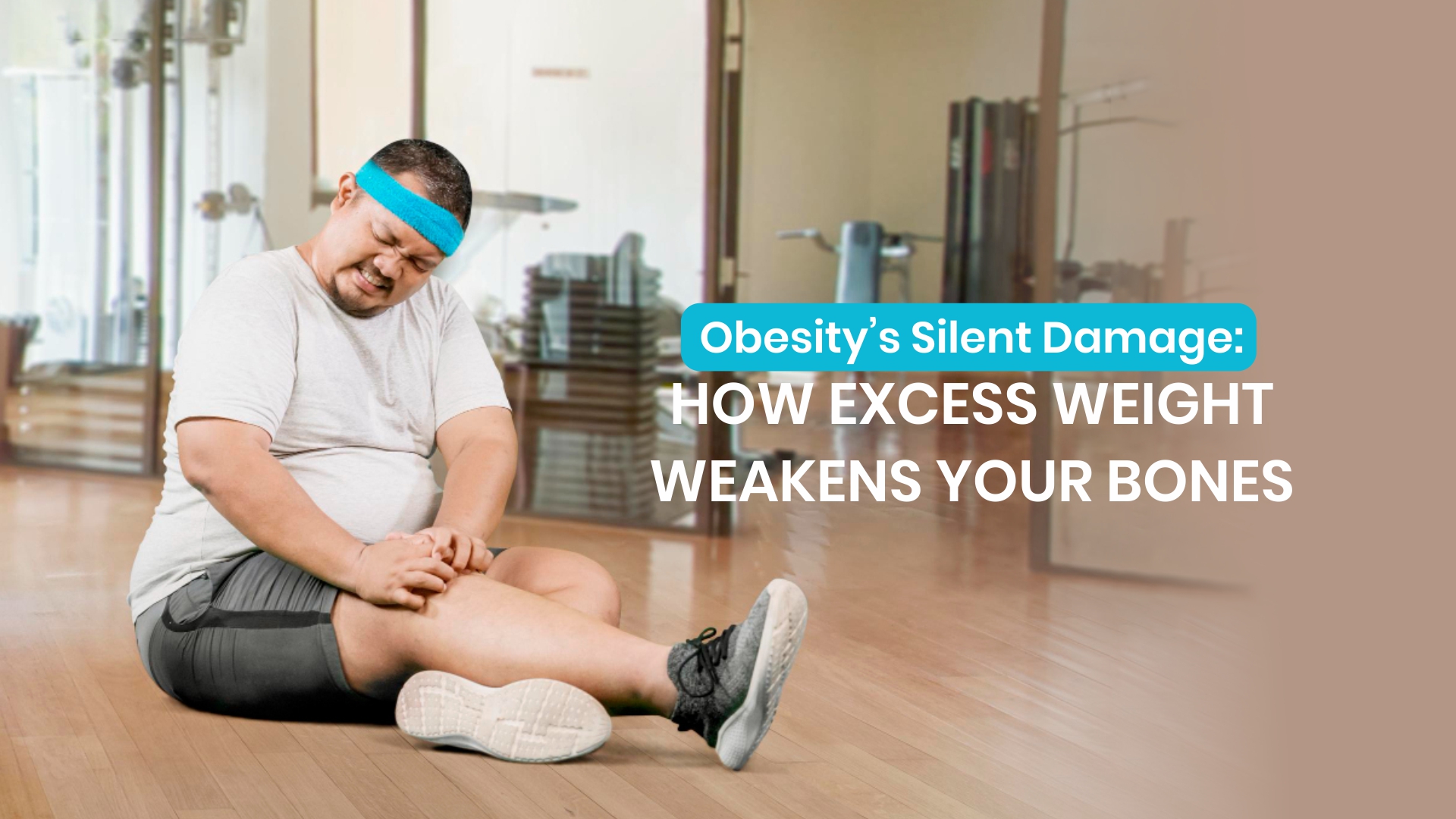
Obesity’s Silent Damage: How Excess Weight Weakens Your Bones
When we discuss the medical health risks associated with obesity, conditions like type 2 diabetes, heart disease, and high blood pressure usually dominate public awareness. However, there is a silent crisis happening beneath the surface that receives far less attention: the profound, damaging impact of excess body weight on your skeletal framework. Many people operate under the older assumption that carrying extra body weight acts as a form of resistance training that naturally strengthens the skeleton. However, modern medical research and clinical insights suggest otherwise. As an institution dedicated to advanced quaternary care, choosing the best hospital in Coimbatore means getting access to evidence-backed insights directly from established specialists. In this expert feature, Dr. Chakravarthy T, Consultant Nephrologist & Renal Transplant Physician at KG Hospital, Coimbatore, breaks down the structural and cellular mechanisms linking obesity to progressive bone weakness. A common clinical misconception is that a higher body mass index (BMI) automatically builds denser bones to support the load. However, the body responds entirely differently to fat mass compared to lean muscle mass. While physical activity stimulates bone-building cells through dynamic mechanical stress, excess adipose (fat) tissue provides dead weight. This static load stresses the framework and joints without providing any of the structural biological benefits that come from active, dynamic movement. The damage obesity inflicts on bone health isn't just mechanical; it is deeply rooted in cellular biology. Medical science recognizes fat tissue as a metabolically active organ rather than a simple storage compartment. Fat tissue behaves like an active organ by releasing inflammatory chemicals into the bloodstream. These harmful inflammatory agents directly accelerate bone breakdown (resorption) while simultaneously slowing down the natural formation and synthesis of new bone tissue. The most alarming effect of obesity happens directly inside the cavities of our bones. Bone marrow contains master stem cells, which have the potential to differentiate into either bone-forming cells (osteoblasts) or fat cells (adipocytes). As fat cells crowd out bone-forming cells inside the marrow matrix, the internal structural integrity of the bone weakens from the inside out. The systemic weakening of the skeleton is further complicated by severe physical vulnerabilities. Dr. Chakravarthy points out that obesity can significantly increase the likelihood of accidental falls due to a combination of poor physical balance and reduced muscle strength. When a fall does occur, physics compounds the medical issue. A higher body mass during a fall creates significantly stronger impact forces hitting the ground. Clinical observations show that individuals struggling with excess weight experience highly complex fractures, particularly in fragile zones such as: Protecting your bones from the silent wear of obesity requires a proactive, multi-pronged approach. Dr. Chakravarthy T recommends focusing on long-term skeletal preservation through these sustainable, healthy steps: While older assumptions suggested extra weight increases bone density, modern medical research proves that obesity weakens bones. Excess fat acts as a destructive static load, induces systemic inflammation, and alters bone marrow function so that fewer bone-forming cells are produced. Obesity alters the cellular behavior of stem cells inside the bone marrow. Instead of developing into bone-forming cells, these stem cells are systematically driven to become fat cells. Obesity increases the risk of falls due to poor balance and reduced muscle strength. When a fall occurs, the greater body mass creates much higher impact forces, causing more severe and complex fractures. Yes. Incorporating gradual weight reduction alongside targeted strength training can stop the progression of bone loss. Physical exercise creates dynamic muscle movement and active stress, which triggers the body to build denser bone tissue. Excess adipose tissue releases inflammatory chemicals into the bloodstream, accelerating bone breakdown and slowing new bone formation. If you or a loved one are navigating weight management or are concerned about bone health, structural longevity, or metabolic health, seek expert guidance from the best hospital in Coimbatore. The views, suggestions, and opinions expressed in this article are the sole responsibility of the medical expert.Obesity’s Silent Damage: How Excess Weight Weakens Your Bones
1. The Static Load Misconception: Muscle Activity vs. Excess Fat
“Exercise strengthens bones through muscle activity and movement, whereas excess body fat acts only as a static load,” explains Dr. Chakravarthy T.
2. Cellular Sabotage: How Fat Infiltrates Your Bone Marrow
Chronic Low-Grade Systemic Inflammation
The Bone Marrow Tug-of-War
“In obesity, stem cells inside the marrow are more likely to develop into fat cells rather than bone-forming cells, which may gradually reduce skeletal strength from within.”
3. Poor Balance, Traumatic Falls, and Severe Fractures
4. Preserving Your Skeletal Framework: Core Clinical Recommendations
“Managing weight is not only important for blood sugar or heart health, but also for preserving the body's skeletal framework over time.”
Does Obesity Make Your Bones Stronger or Weaker?
How Does Excess Fat Tissue Affect Bone Marrow Function?
Why Does Obesity Increase the Severity of Bone Fractures?
Frequently Asked Questions
Q1: Can lifestyle changes reverse the bone damage caused by obesity?
Q2: Why is exercise better for bones than carrying extra weight?
Q3: How does inflammation from fat tissue affect bones?
Consult the Experts at KG Hospital
Disclaimer
```