Robotic Surgery Explained
Robotic surgery is rapidly transforming modern healthcare, changing how complex procedures are performed and improving the overall patient experience. If you or a loved one are considering surgical options, understanding this advanced technology from experienced medical professionals is a great first step.
🧾 Quick Answer
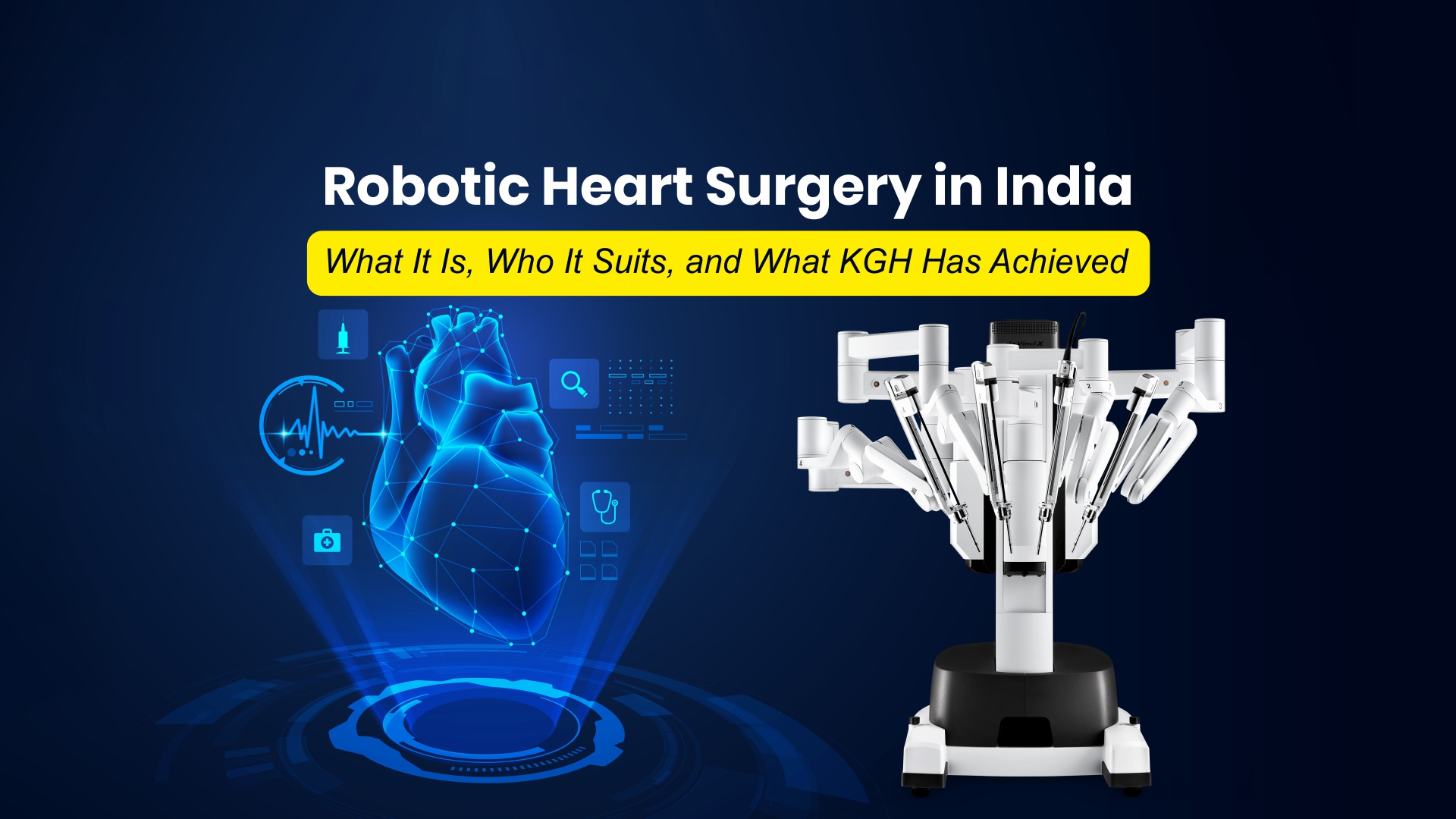
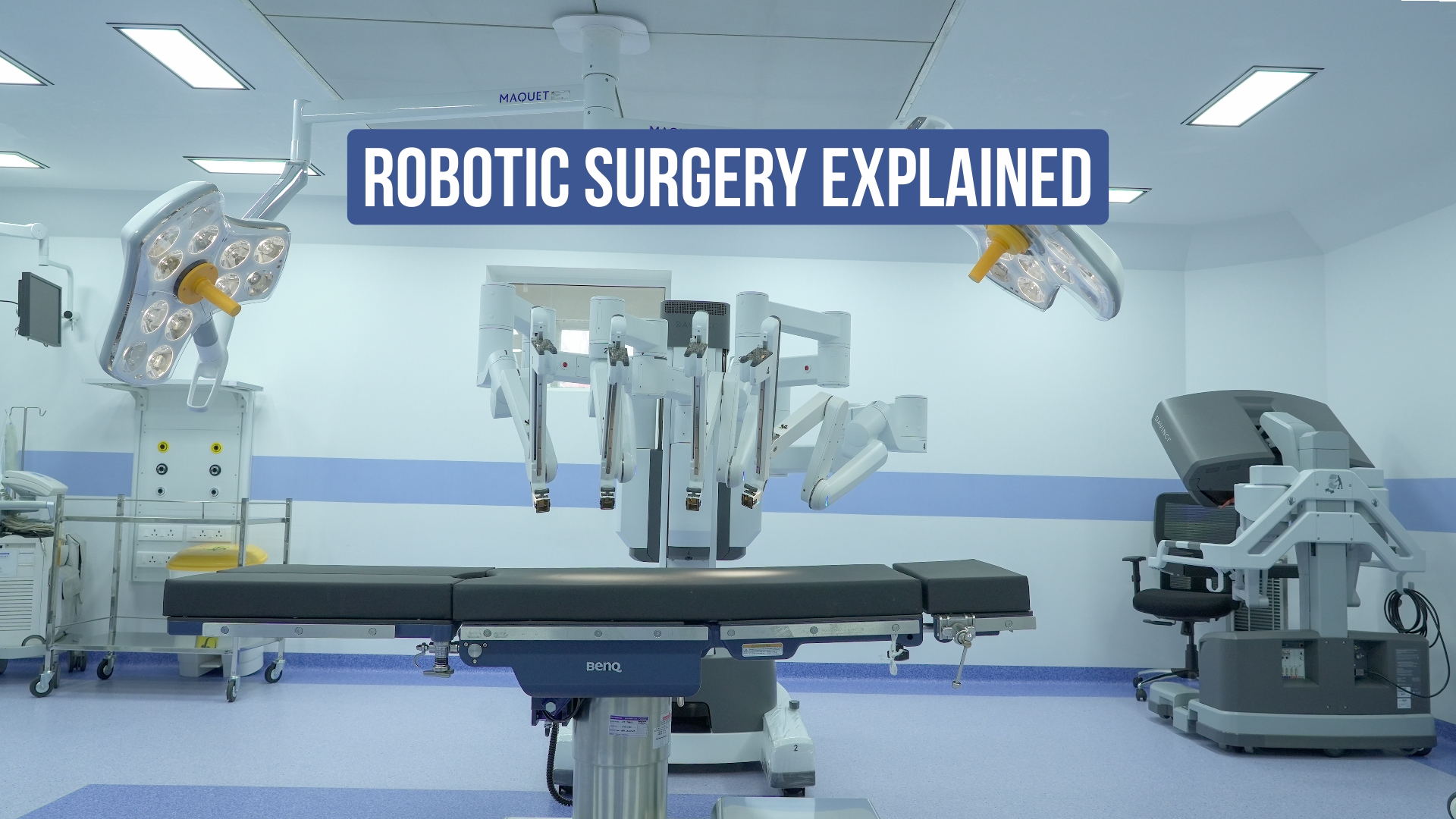
At its core, robotic-assisted surgery—often utilizing advanced platforms like the da Vinci® Surgical System—combines the expertise of a board-certified surgeon with state-of-the-art technology. It offers three primary advantages:
-
Pinpoint Precision: Enhanced 3D high-definition visualization and wristed instruments allow for exact movements that go beyond the capabilities of the human hand.
-
Faster Recovery: Minimally invasive techniques help your body heal more quickly.
-
Less Pain: Smaller surgical cuts significantly reduce postoperative discomfort and the reliance on pain medication.
Key Benefits of Robotic Surgery
Traditional open surgery often requires large incisions, leading to longer healing times. Robotic surgery changes the equation by offering a minimally invasive alternative, backed by decades of clinical research. The standout benefits include:
-
Smaller Incisions: Surgeons operate through a few tiny openings (often less than an inch) rather than a single large cut.
-
Reduced Complications: With smaller incisions and greater precision, the risk of surgical site infections and significant blood loss is drastically lowered.
-
Shorter Hospital Stays: Because trauma to the body is minimized, patients can often return home within a day or two, and sometimes even on the same day.
When is Robotic Surgery Used?
This technology is highly versatile and is recognized by leading global medical institutions as the gold standard for several complex fields. Common applications include:
-
Cardiac Surgery: Used for delicate procedures, like valve repairs and bypasses, without needing to open the chest cavity entirely.
-
Urology: Frequently utilized for prostatectomies (prostate removal) and kidney surgeries, offering excellent nerve-sparing precision.
-
Gynaecology: Ideal for hysterectomies, endometriosis resection, and fibroid removal, allowing for a quicker return to normal daily activities.
-
Oncology: Highly effective in complex tumor removals, enabling surgical oncologists to precisely target cancerous tissue while preserving healthy surrounding cells.
Understanding the Risks and Recovery
Transparency is a core part of patient care. While highly beneficial, it is important to remember that robotic surgery is still a major medical procedure. The risks are similar to those of conventional minimally invasive procedures, such as a reaction to anesthesia or minor bleeding.
However, clinical outcomes consistently show that the recovery trajectory is generally much smoother. Compared to traditional open surgery, patients typically experience less scarring, a reduced need for opioids, and a much faster return to work and daily routines.
❓ Frequently Asked Questions (FAQ)
1. What are the benefits of robotic surgery? Robotic surgery offers several significant advantages over traditional open surgery, including pinpoint precision, smaller incisions, a reduced risk of complications (like surgical site infections), significantly less pain, and a much shorter hospital stay.
2. When is robotic surgery used? Robotic-assisted systems are highly versatile and are commonly used in complex medical fields. At KG Hospital, it is frequently utilized in Cardiac Surgery, Urology (such as prostatectomies), Gynaecology (such as hysterectomies), and Surgical Oncology for precise tumor removals.
3. Is robotic surgery safe? Yes. While all major surgeries carry inherent risks (such as a reaction to anesthesia), robotic surgery is generally considered highly safe. Its minimally invasive nature actively reduces the risk of significant blood loss and postoperative infections compared to traditional surgical methods.
4. How long does it take to recover from robotic surgery? Recovery is typically much faster than it is for traditional open surgery. Because the incisions are very small, many patients are discharged within 24 to 48 hours. Depending on the specific procedure, most patients can return to their normal daily activities within a few weeks, with less reliance on prescription pain medication.
5. Does the robot perform the surgery on its own? No. This is a common misconception. The robotic system is entirely controlled by your surgeon. It acts as an advanced tool that translates the surgeon's exact hand movements into smaller, more precise movements of tiny instruments inside the body.
6. Is robotic surgery covered by health insurance? Most major health insurance plans cover robotic-assisted surgery just as they would conventional minimally invasive procedures. However, coverage can vary depending on your specific policy and the procedure being performed. We recommend consulting with your insurance provider and our hospital's billing department prior to your surgery.
Final Thought: Trusting the Right Team
Hospitals that offer robotic surgery typically have highly advanced surgical ecosystems, equipped with top-tier technology and specially trained medical teams committed to patient-first care. Choosing a facility with a proven track record in robotic-assisted procedures ensures you are receiving the safest, most modern treatments available today.
👉 Explore: Find the right care for you at the Best Hospital in Coimbatore.
🔍 Trust & Expertise (E-E-A-T)
-
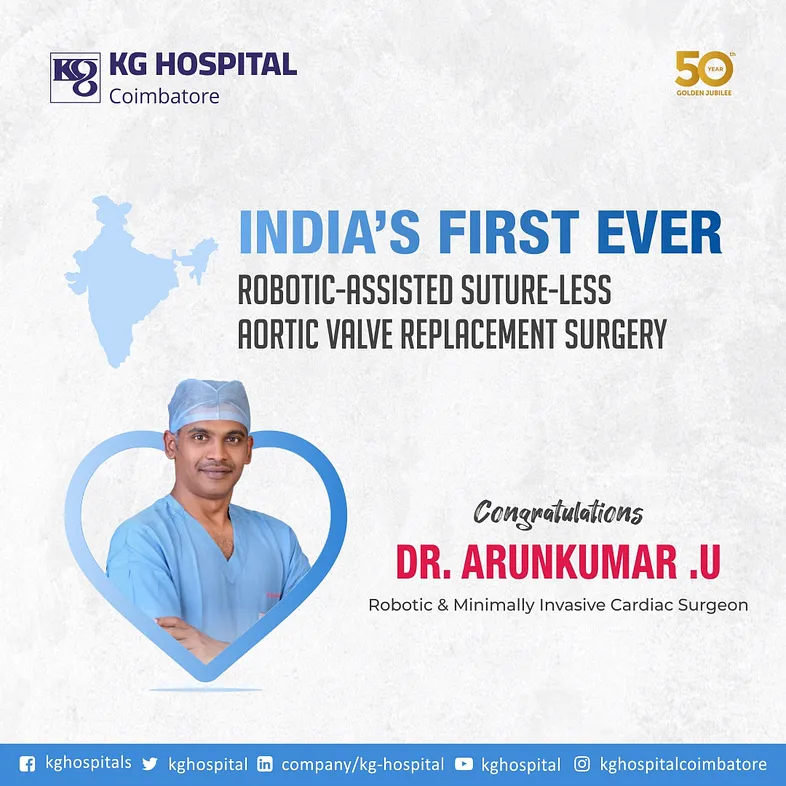
Expertise & Authority: This article was medically reviewed for accuracy by Dr. Arun Kumar U, a leading expert in the Department of Minimally Invasive & Robotic Surgery at KG Hospital. Dr. Arun Kumar U brings extensive clinical experience and specialized training in advanced robotic surgical techniques, ensuring patients receive the highest standard of care.
-
Editorial Policy: We are committed to providing objective, evidence-based medical information to help patients make informed decisions about their healthcare journey.
Disclaimer: The information provided in this article is for educational and informational purposes only and is not intended as a substitute for professional medical advice, diagnosis, or treatment. Always consult with Dr. Arun Kumar U or another qualified health provider with any questions you may have regarding a medical condition or surgical procedure.