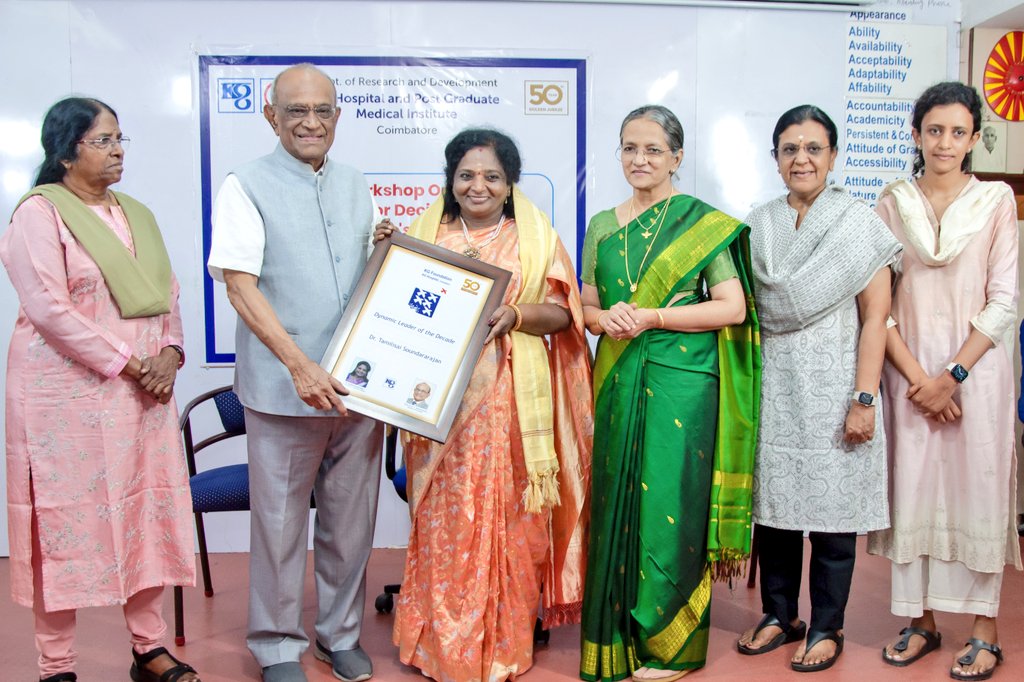
KG Hospital recently hosted a Continuing Medical Education (CME) session on "Management of Sepsis," which brought together healthcare professionals to discuss advancements in sepsis care. This educational event aimed to enhance clinical skills, knowledge, and awareness of sepsis management, emphasizing early detection, intervention, and evidence-based treatment practices.
Key topics covered during the CME included the latest sepsis guidelines, early recognition strategies, antibiotic stewardship, and critical care management approaches. Renowned experts in infectious diseases, critical care, and internal medicine shared their insights on managing complex sepsis cases, preventing septic shock, and improving patient outcomes through a multidisciplinary approach.
The event also highlighted innovations in diagnostic technology and laboratory support essential for prompt sepsis identification. Interactive case discussions and Q&A sessions provided participants with a practical understanding of sepsis management in diverse clinical settings. The CME concluded with a commitment to implementing advanced sepsis management practices to reduce sepsis-related morbidity and mortality, underscoring KG Hospital's dedication to excellence in patient care.