Dr. T. Chakravarthy
Consultant Nephrologist & Renal Transplant Physician, KG Hospital, Coimbatore.
Obesity is not just about excess body weight or appearance. It is a serious medical condition that silently affects vital organs — especially the kidneys. At KG Hospital, Coimbatore, we frequently see patients unaware that obesity can significantly increase their risk of chronic kidney disease. Understanding this connection early can help prevent long-term complications.
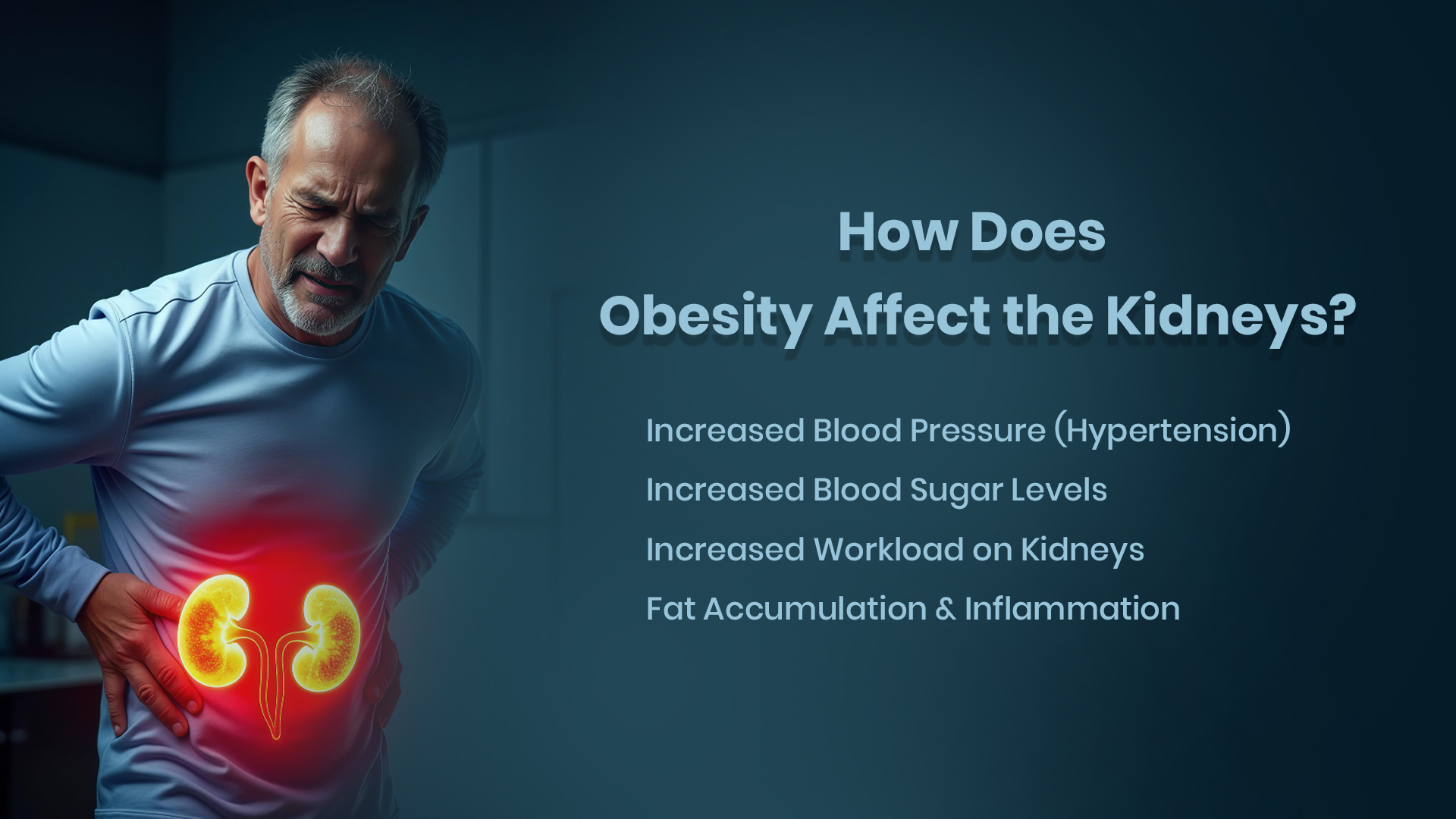
How Does Obesity Affect the Kidneys?
The kidneys filter waste from the blood, balance body fluids, regulate blood pressure, and maintain electrolyte balance. When a person is obese, several harmful changes occur:
- Increased Blood Pressure: Obesity raises blood pressure, which damages the tiny blood vessels in the kidneys, reducing their filtering ability over time.
- Increased Blood Sugar Levels: Obesity increases the risk of Type 2 diabetes; high blood sugar damages the kidney's filtering units (glomeruli), leading to diabetic kidney disease.
- Increased Workload on Kidneys: Excess body fat makes the heart work harder, increasing pressure inside kidney blood vessels and causing gradual damage.
- Fat Accumulation & Inflammation: Obesity can cause fat deposits in and around the kidneys, triggering inflammation and structural damage.
Early Signs of Kidney Problems in Obese Individuals
Kidney disease often develops silently. Watch for these warning signs: swelling in feet, ankles, or hands; foamy or dark-colored urine; frequent urination, especially at night; persistent fatigue; and shortness of breath. If you notice these symptoms, consult a nephrologist immediately.
Even losing 5–10% of body weight can significantly lower blood pressure, improve blood sugar control, reduce kidney stress, and slow down kidney damage.
How to Prevent Obesity-Related Kidney Disease
- Follow a balanced diet: reduce salt intake, avoid processed and fried foods, limit sugary beverages, include fruits, vegetables, and whole grains.
- Exercise regularly: at least 30 minutes of moderate physical activity, 5 days a week.
- Stay hydrated: adequate water intake supports kidney function.
- Monitor health markers: regularly check blood pressure, blood sugar, and kidney function tests (creatinine, urine test).
- Get annual health checkups: early screening helps detect kidney damage before symptoms appear.
Final Thoughts
Obesity and kidney disease are closely connected — but they are not unavoidable. Awareness, early screening, and consistent lifestyle choices can protect your kidneys and improve overall health. If you are overweight or have high blood pressure or diabetes, do not delay screening. Early intervention can prevent irreversible kidney damage.