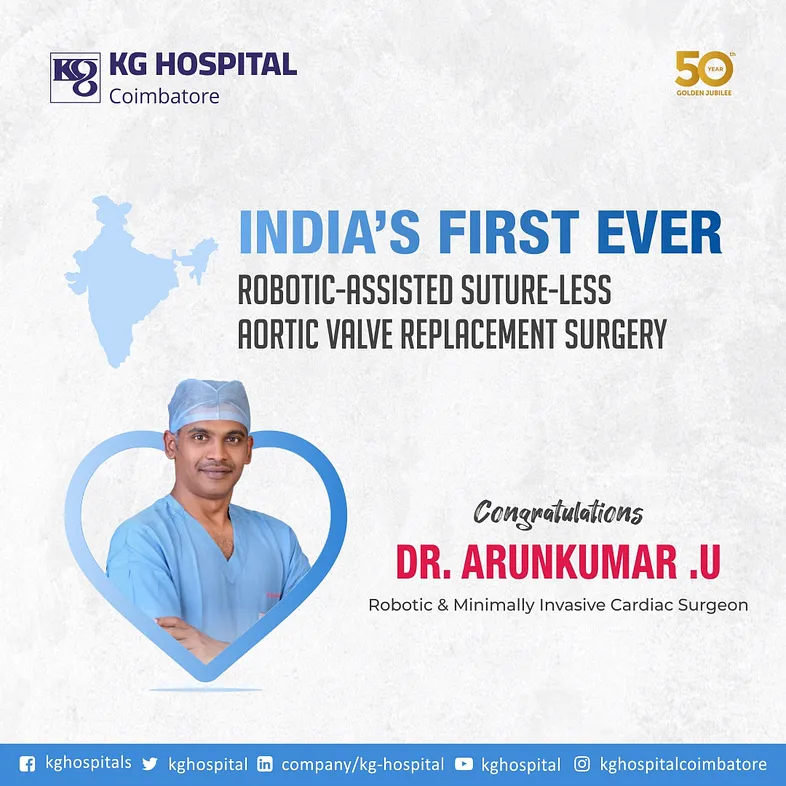
Dr. Arun Kumar U
Department of Minimally Invasive & Robotic Surgery, KG Hospital, Coimbatore.
Robotic surgery is rapidly transforming modern healthcare, changing how complex procedures are performed and improving the overall patient experience. If you or a loved one are considering surgical options, understanding this advanced technology from experienced medical professionals is a great first step.
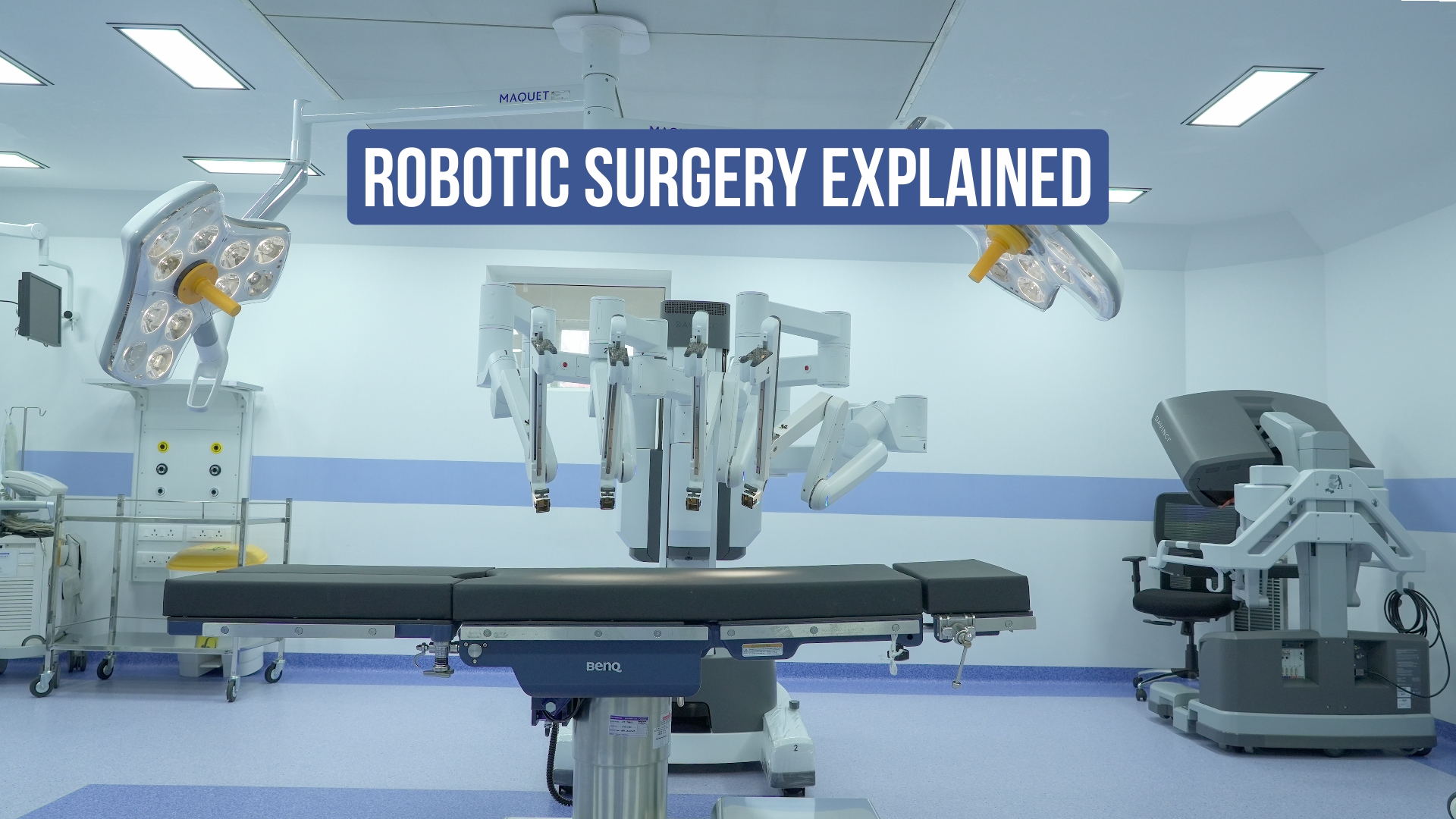
Robotic-assisted surgery — often utilizing platforms like the da Vinci® Surgical System — combines the expertise of a board-certified surgeon with advanced technology, offering pinpoint precision, faster recovery, and less pain.
Key Benefits of Robotic Surgery
Traditional open surgery often requires large incisions, leading to longer healing times. Robotic surgery offers a minimally invasive alternative, backed by decades of clinical research:
- Smaller Incisions: Surgeons operate through a few tiny openings (often less than an inch) rather than a single large cut.
- Reduced Complications: Smaller incisions and greater precision drastically lower the risk of surgical site infections and significant blood loss.
- Shorter Hospital Stays: With minimized trauma to the body, patients can often return home within a day or two, sometimes even the same day.
When Is Robotic Surgery Used?
- Cardiac Surgery: Delicate procedures like valve repairs and bypasses, without needing to open the chest cavity entirely.
- Urology: Frequently used for prostatectomies and kidney surgeries, offering excellent nerve-sparing precision.
- Gynaecology: Ideal for hysterectomies, endometriosis resection, and fibroid removal.
- Oncology: Highly effective in complex tumor removals, precisely targeting cancerous tissue while preserving healthy surrounding cells.
Understanding the Risks and Recovery
While highly beneficial, robotic surgery is still a major medical procedure, and risks are similar to those of conventional minimally invasive procedures, such as a reaction to anesthesia or minor bleeding. Clinical outcomes consistently show that recovery is generally much smoother, with less scarring, reduced need for opioids, and a faster return to work and daily routines.
The robotic system does not perform surgery on its own — it is entirely controlled by the surgeon, translating exact hand movements into smaller, more precise movements of tiny instruments inside the body.