Dr. Vaishnavi B. Kakkilaya
Consultant, General Medicine, KG Hospital & Postgraduate Medical Institute, Coimbatore.
India is facing a quiet but powerful health crisis that many people still underestimate. The growing combination of diabetes and obesity, commonly called “diabesity,” is emerging as one of the most serious public health challenges of the 21st century. While diabetes and obesity individually pose major health risks, their coexistence creates a dangerous cycle that significantly increases the likelihood of heart disease, stroke, kidney failure, and metabolic disorders.
According to the ICMR-INDIAB study, India now has around 101 million people living with diabetes and another 136 million with prediabetes, making it one of the largest diabetes populations in the world. At the same time, experts believe over 25% of Indians are now overweight or obese, creating a perfect environment for metabolic diseases to thrive.
What Exactly Is Diabesity?
The term diabesity describes the strong biological and metabolic connection between obesity and diabetes. When excess fat accumulates in the body — especially around the abdomen — it interferes with the body's ability to use insulin, the hormone responsible for controlling blood glucose levels. Over time, this leads to insulin resistance, where cells stop responding properly to insulin, eventually causing blood sugar to remain elevated and diabetes to develop.
When obesity and diabetes occur together, the metabolic imbalance becomes more severe, increasing the likelihood of complications such as cardiovascular disease, fatty liver disease, nerve damage, and kidney problems.
The Growing Health Crisis in India
India has earned the unfortunate nickname “the diabetes capital of the world.” Diabetes is now affecting younger populations too — doctors are increasingly diagnosing Type 2 diabetes in people in their 20s and 30s, largely due to lifestyle factors. If current trends continue, the number of diabetics in India could reach 157 million by 2050.
Obesity is one of the most significant drivers behind this rise. Recent reports show over 73 million people in urban India are overweight or obese. According to the World Obesity Atlas 2026, India currently has 41 million children aged 5 to 19 living with overweight or obesity, ranking second globally.
How Obesity Leads to Diabetes
The connection largely revolves around insulin resistance. Excess body fat — especially visceral fat around the abdomen — disrupts insulin's ability to move glucose into cells. Fat cells release inflammatory chemicals and hormones that interfere with this process, forcing the body to produce more insulin. Over time the pancreas struggles to keep up, and blood sugar levels remain persistently high.
People with an “apple-shaped” body, where fat accumulates around the abdomen, carry a higher risk of developing diabetes than those with fat distributed around the hips and thighs. Waist circumference and waist-to-height ratio are now widely used by doctors to assess this risk.
Warning Signs and Long-Term Complications
Diabesity often develops silently. Common early symptoms include increased waist circumference, persistent fatigue, frequent urination, excessive thirst, and darkened skin around the neck or armpits.
| Complication | Description |
|---|---|
| Heart Disease | High blood sugar damages blood vessels and increases cardiovascular risk |
| Stroke | Reduced blood flow to the brain due to blocked arteries |
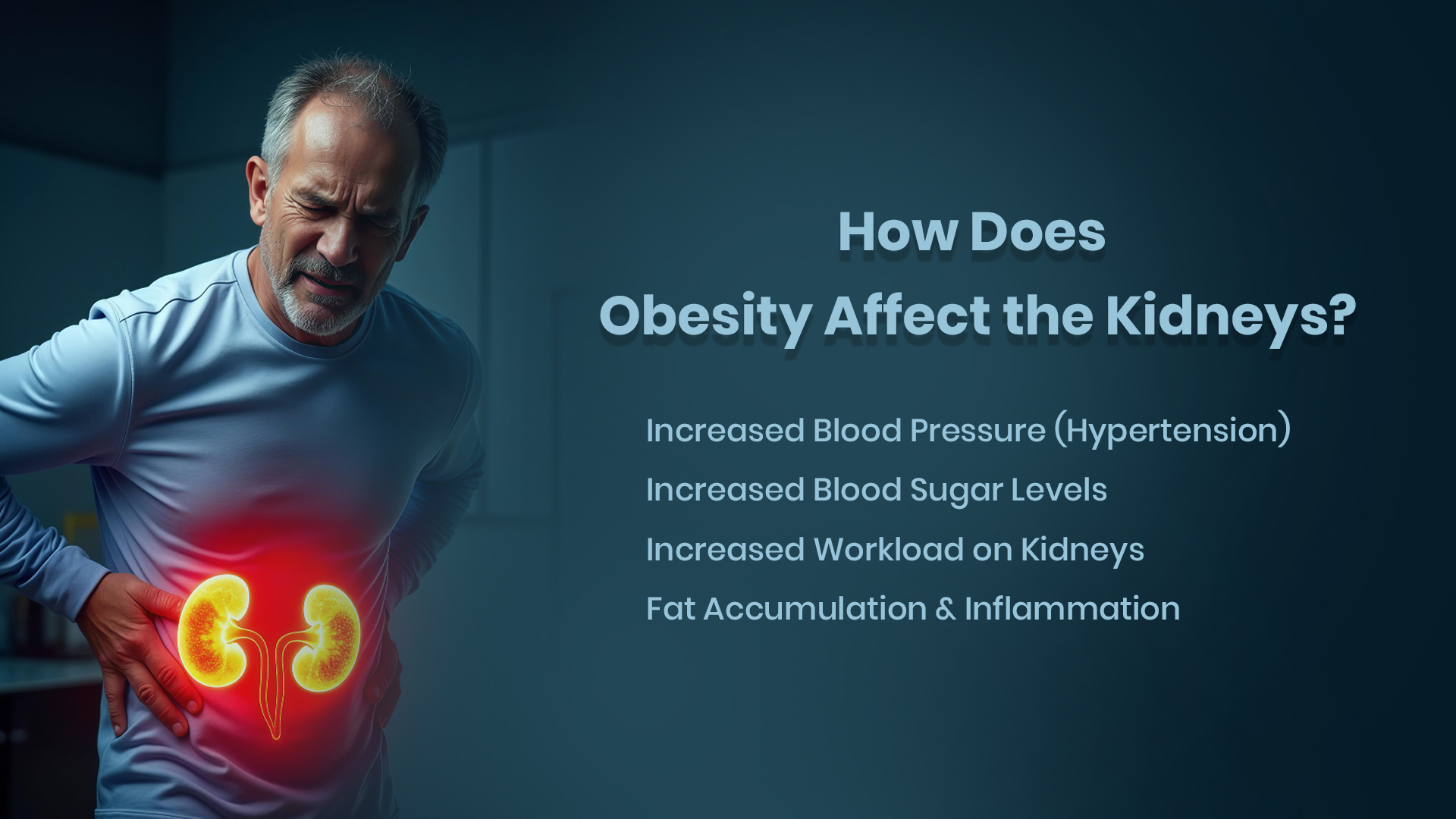
| Kidney Failure | Long-term diabetes damages kidney filtering units |
| Nerve Damage | Causes pain, numbness, and tingling |
| Vision Loss | Diabetes-related retinopathy can lead to blindness |
Diabesity Among Children and Young Adults
Childhood obesity is one of the most alarming public health challenges in India today. Increasing screen time, reduced outdoor play, junk food consumption, and academic pressure have reduced physical activity among children — studies indicate around 74% of Indian adolescents do not get enough physical activity. When obesity develops early in life, it often continues into adulthood, dramatically increasing the risk of diabetes, hypertension, and cardiovascular disease.
Prevention and Management
Preventing diabesity largely depends on adopting healthier lifestyle habits:
- Balanced diet rich in vegetables, fruits, whole grains, and lean proteins
- Reduced sugary beverages and processed foods
- At least 150 minutes of physical activity per week
- Healthy body weight maintenance
- Stress management through relaxation techniques and adequate sleep
Even modest weight loss can significantly improve insulin sensitivity and reduce the risk of diabetes. New medications such as GLP-1 receptor agonists can support this, but should always be combined with lifestyle changes.
Conclusion
Diabesity represents one of the most pressing health challenges facing India today. While the statistics are alarming, the good news is that diabesity is largely preventable and manageable through healthier lifestyle choices, early detection, and improved healthcare systems.