Dr. Yamuna Devi P
M.B.B.S., M.S (Ophthalmology) — Consultant Ophthalmologist, KG Hospital, Coimbatore.
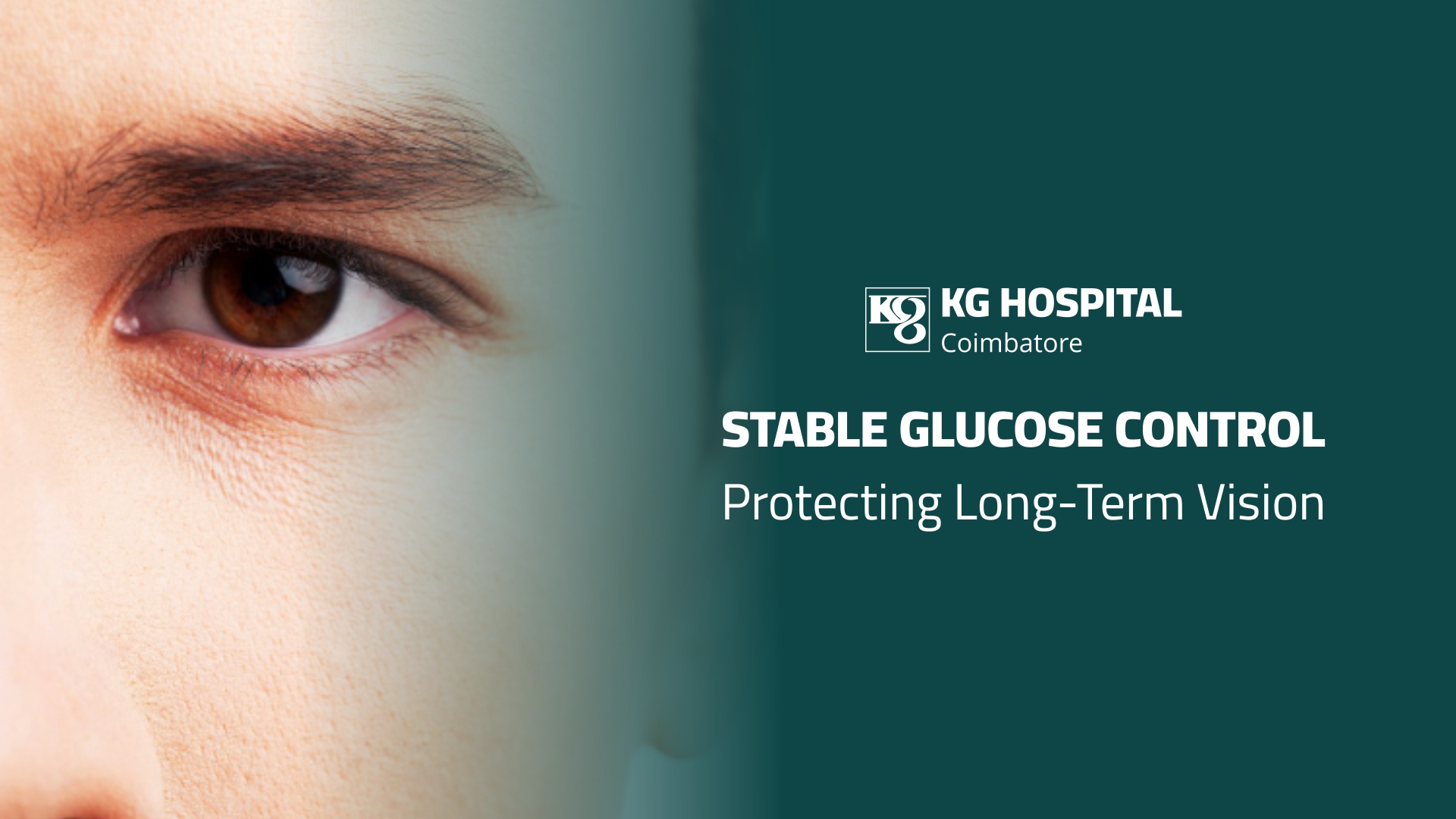
Did you know? Maintaining stable blood sugar levels is the most effective way to prevent diabetes-related vision loss. Poor glucose control can damage the retina over time, leading to serious complications — but with early care and regular monitoring, most of these conditions are preventable.
The Connection Between Diabetes and Eye Health
Diabetes affects the small blood vessels in the retina, which are essential for clear vision. Over time, uncontrolled blood sugar can lead to diabetic retinopathy, diabetic macular edema, and blurred or permanent vision loss. These conditions often develop silently, making routine screening essential.
"Stable glucose control is key to preventing long-term retinal complications. With early screening and coordinated care, we can significantly reduce the risk of vision loss in diabetic patients." — Dr. Yamuna Devi P, Consultant Ophthalmologist, KG Hospital
Evidence-Based Medical Understanding
Clinical research confirms that stable HbA1c levels reduce microvascular damage, long-term glucose control is more effective than short-term correction, and early diagnosis improves treatment success. Modern therapies, including GLP-1 receptor treatments, support metabolic balance and contribute to better eye health outcomes.
Controlled vs. Uncontrolled Diabetes
| Factor | Controlled Blood Sugar | Uncontrolled Blood Sugar |
|---|---|---|
| Retinal Health | Minimal damage risk | High risk of damage |
| Vision Quality | Stable and clear | Blurred or deteriorating |
| Risk of Retinopathy | Significantly reduced | Very high |
| Need for Advanced Treatment | Rare | Often required |
| Long-Term Outcome | Preserved vision | Possible vision loss |
Risks to Monitor
Even with treatment, certain risks require attention: temporary worsening during rapid glucose reduction, macular edema (fluid buildup in retina), and vascular complications. This is why personalised care and regular follow-ups are critical.
Why Regular Eye Screening Matters
Early detection can prevent irreversible damage. At KG Hospital, we offer advanced retinal imaging, comprehensive diabetic eye screening, expert ophthalmology consultation, and integrated care with diabetologists.
Preventive steps for better vision: maintain stable blood sugar levels, monitor HbA1c regularly, follow a healthy lifestyle, get annual eye examinations, and seek early medical attention for vision changes.
Conclusion
Stable glucose control is essential not only for managing diabetes but also for protecting your eyesight and quality of life. With expert care at KG Hospital, Coimbatore, early detection and proper management can prevent most diabetes-related eye complications.