
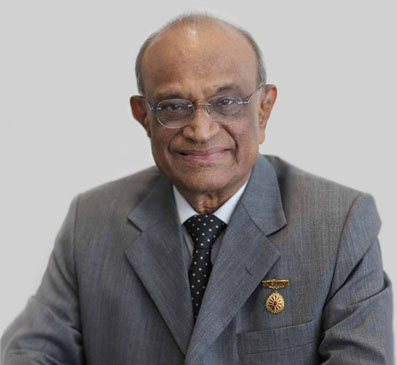

Robotic heart surgery is heart surgery done through a few small openings between the ribs using surgeon-controlled robotic instruments. The operation is the same as in open-heart surgery, but the breastbone is not cut — so patients have less pain, less bleeding, a lower risk of infection, usually no need for a blood transfusion, and recover within about 10 days. KG Hospital, Coimbatore, has performed 250 robotic cardiac cases in the last two years.
01. What Does a Heart Surgeon Do?
Rapid fire
Asked what his job is, Dr. Arunkumar Ulaganathan's answer was simple: a heart surgeon operates on the heart to correct the problem. That may mean bypassing blocked coronary arteries (CABG), repairing or replacing a damaged valve (valve surgery), closing a hole in the heart, or removing a tumour. He is part of the cardiac surgery team at the KG Heart Center.
02. Is the Heart Stopped During Surgery?
Both approaches are used, Dr. Arunkumar explains. Many operations can be done on a beating heart — for example off-pump coronary bypass. Where it is needed, the heart is stopped so the surgeon can work inside it.
Dr. Bakthavathsalam's next question is the one most patients ask: if the heart stops, won't blood stop reaching the brain? The answer is the cardiopulmonary bypass machine — the heart-lung machine. It takes over the work of the heart and lungs, pumping oxygen-rich blood to the brain and the rest of the body until the heart is restarted.
03. What Is Minimally Invasive Cardiac Surgery (MICS)?
Traditional open-heart surgery means splitting the breastbone (sternum) and spreading the chest open. Minimally invasive cardiac surgery (MICS) — also called keyhole or small-hole surgery (நுண்துளை / சிறுதுளை அறுவை சிகிச்சை) — reaches the heart through a small opening between the ribs instead. As Dr. Bakthavathsalam puts it, the idea is similar to laparoscopic (keyhole) gallbladder surgery.
04. How Is Robotic Heart Surgery Different?
Robotic surgery is the more advanced stage of the same approach. "Whatever we do through the small holes, or in open surgery, we do the same operation using the robotic instrument," says Dr. Arunkumar — "and it is even less painful." The surgeon sits at a console and controls robotic instruments that move with great precision through small openings. Learn more about robotic heart surgery at KG Hospital and the robotic surgery programme.
| Factor | Open-heart | Keyhole (MICS) | Robotic |
|---|---|---|---|
| Breastbone | Cut and spread open | Not cut | Not cut |
| Access | Long cut down the chest | Small cut between the ribs | A few small openings between the ribs |
| Pain | More | Less | Least |
| Hospital stay | Usually 7–10 days | Shorter | Usually 2–3 days |
| Recovery | 6–8 weeks for the bone to heal | Faster | About 10 days |
Typical figures at KG Hospital; your surgeon will explain what to expect for your operation.
05. Why Not Cutting the Breastbone Matters
Asked for the single biggest difference between robotic and open-heart surgery, Dr. Arunkumar answers: "We don't cut the bone in the middle." That one change brings several benefits:
"It's like an operation on the muscles," he says. "Within about ten days at most, the effects of the operation are completely gone."
06. KG Hospital's Robotic Cardiac Experience
Asked how many robotic heart operations the team has completed successfully in the last two years, Dr. Arunkumar replies: 250 cardiac cases. KG Hospital's robotic cardiac programme has also recorded three India firsts — read more in Robotic Heart Surgery in India: What It Is, Who It Suits and What KGH Has Achieved.
07. Who Is Suitable for Robotic Heart Surgery?
Robotic and keyhole approaches are used for several operations, including mitral valve repair and replacement, coronary bypass, closure of holes in the heart (atrial septal defect) and removal of some heart tumours. Not every patient is suitable: the decision depends on the heart condition, the anatomy and overall health. The KG Heart Center team reviews each patient's echocardiogram, scans and tests and recommends the safest approach — robotic, keyhole or open surgery. For people who cannot have surgery, options such as TAVI or angioplasty may be considered.
Considering heart surgery? Ask whether robotic or keyhole surgery suits you.
📞 0422-404212108. Interview Transcript (English)
- Dr. G. Bakthavathsalam: Good morning, sir.
- Dr. Arunkumar U: Good morning, sir.
- Dr. G. Bakthavathsalam: I'm going to ask you a few rapid-fire questions. I'll ask quickly, and you answer quickly. Your name?
- Dr. Arunkumar U: Arun Kumar.
- Dr. G. Bakthavathsalam: How old are you?
- Dr. Arunkumar U: 46.
- Dr. G. Bakthavathsalam: What work do you do?
- Dr. Arunkumar U: I'm a heart surgeon.
- Dr. G. Bakthavathsalam: What does that mean? Do you operate on the heart and stop the heart?
- Dr. Arunkumar U: It means operating on the heart to correct the problem, sir.
- Dr. G. Bakthavathsalam: Do you operate while the heart keeps pumping, or do you stop it completely?
- Dr. Arunkumar U: Both are done, sir. We do beating-heart surgery, and where it is needed, we stop the heart and operate.
- Dr. G. Bakthavathsalam: When the heart is stopped, won't blood stop reaching the brain?
- Dr. Arunkumar U: For that there is a machine called cardiopulmonary bypass.
- Dr. G. Bakthavathsalam: You have a machine for that too — very good. I've heard that you also do something called minimally invasive cardiac surgery.
- Dr. Arunkumar U: Yes, sir. Minimally invasive cardiac surgery — it is also called keyhole surgery or small-hole surgery. They are all the same operation.
- Dr. G. Bakthavathsalam: Earlier, we used to open the chest — split this bone and do open-heart surgery. Instead, you make small holes…
- Dr. Arunkumar U: Now, instead of doing that, we make small holes and do the operation through them.
- Dr. G. Bakthavathsalam: Usually they do laparoscopic surgery for the gallbladder. It's almost the same, sir?
- Dr. Arunkumar U: Oh.
- Dr. G. Bakthavathsalam: Is there a machine for this? A robotic machine?
- Dr. Arunkumar U: At a more advanced stage, we do robotic surgery. Whatever we do through the small holes, or in open surgery, we do the same operation using the robotic instrument. It is even less painful, sir.
- Dr. G. Bakthavathsalam: How many robotic heart surgeries have you done successfully in the last two years?
- Dr. Arunkumar U: We've done 250 cardiac cases, sir — all heart-related.
- Dr. G. Bakthavathsalam: What is the main difference between this robotic surgery and the old open-heart surgery?
- Dr. Arunkumar U: We don't cut the bone in the middle, sir. If the bone isn't cut, the patient has less pain, heals faster, has less bleeding and less infection, does not need a blood transfusion, and recovers from tiredness quickly. It's like an operation on the muscles. Within about ten days at most, the effects of the operation are completely gone.
- Dr. G. Bakthavathsalam: Very happy to meet you, sir. May your service continue. It is a great pride for us that Arun Kumar works at KG Hospital. Congratulations, sir. Thank you.
- Dr. Arunkumar U: Thank you, sir.
Read the original Tamil conversation
- Dr. G. Bakthavathsalam: வணக்கம் சார்.
- Dr. Arun Kumar U: வணக்கம் சார்.
- Dr. G. Bakthavathsalam: ஒரு ரேபிட் ஃபயர் கேள்வி கேட்கிறேன். டக்கு டக்குன்னு கேள்வி கேட்பேன். நீங்க டக்கு டக்குன்னு பதில் பண்ணனும். உங்க பேருங்க?
- Dr. Arun Kumar U: அருண் குமார்.
- Dr. G. Bakthavathsalam: என்ன வயசாச்சுங்க?
- Dr. Arun Kumar U: 46.
- Dr. G. Bakthavathsalam: என்ன வேலை பண்றீங்க?
- Dr. Arun Kumar U: இதய அறுவை சிகிச்சை நிபுணர்.
- Dr. G. Bakthavathsalam: அப்படின்னா என்ன? இதயத்தை அறுவை சிகிச்சை செஞ்சு இதயத்தை நிறுத்துவீங்களா?
- Dr. Arun Kumar U: ஹார்ட்ல ஆபரேஷன் பண்ணி சரி பண்றதுங்க.
- Dr. G. Bakthavathsalam: ஹார்ட் பம்ப் பண்ணிக்க பம்ப் பண்ணிக்க ஆபரேஷன் பண்ணுவீங்களா? இல்ல கம்ப்ளீட்டா நிறுத்திட்டு பண்ணுவீங்களா?
- Dr. Arun Kumar U: ரெண்டுமே பண்ணுவாங்க சார். பீட்டிங் ஹார்ட் சர்ஜரி, பீட்டிங் ஹார்ட் சர்ஜரியும் பண்ணுவோம் சார். தேவைப்படுற இடத்துல ஹார்ட்டை நிறுத்தி ஆபரேஷன்.
- Dr. G. Bakthavathsalam: ஹார்ட்டைநிறுத்தும்போது அது மூளைக்கு இரத்தம் போகாதே?
- Dr. Arun Kumar U: அதுக்கு காரியோ பல்மனரி பைபாஸ்னு ஒரு மெஷின் இருக்குங்க.
- Dr. G. Bakthavathsalam: அதுக்கும் ஒரு மெஷின் வச்சிருக்கீங்க. வெரி குட் அப்பா. இந்த ஹார்ட்லயே நான் கேள்விப்பட்டேன் மினிமலி இன்வேசிவ் கார்டியாக் சர்ஜரினு ஏதோ பண்றதாக கேள்விப்பட்டேன்.
- Dr. Arun Kumar U: ஆமாங்க சார். மினிமலி இன்வேசிவ் கார்டியாக் சர்ஜரி — நுண்துளை அறுவை சிகிச்சை, சிறுதுளை அறுவை சிகிச்சை இப்படி இருக்குங்க சார். அது எல்லாமே ஒரே அறுவை சிகிச்சை.
- Dr. G. Bakthavathsalam: முன்னெல்லாம் ஓபன் பண்ணுவோம். இந்த எலும்பை ஓபன் பண்ணி, பிளந்து ஓபன் ஹார்ட் சர்ஜரி. அதுக்கு பதிலா சின்ன சின்ன ஓட்டை போட்டு...
- Dr. Arun Kumar U: இப்ப அந்த மாதிரி பண்ணாமல், சிறுதுளை போட்டு, அது வழியாவே அறுவை சிகிச்சை செஞ்சிரலாம்.
- Dr. G. Bakthavathsalam: யூஸ்வலா இந்த கால் பிளாடருக்கு லேப்ராஸ்கோபிக் பண்ணுவாங்க. கிட்டத்தட்ட அதே மாதிரிங்க சார்.
- Dr. Arun Kumar U: ஓ.
- Dr. G. Bakthavathsalam: அதுக்கு மெஷின் ஒன்னு இருக்கா? ரோபாடிக் மெஷின் ஒன்னு இருக்கா?
- Dr. Arun Kumar U: இதோட கொஞ்சம் அட்வான்ஸ்டு ஸ்டேஜ்ல நம்ம ரோபாடிக் அறுவை சிகிச்சை செய்றோம். இந்த சிறுதுளையில என்ன செய்றோமோ, இல்ல ஓபன் அறுவை சிகிச்சையில என்ன செய்றோமோ அதே அறுவை சிகிச்சையை நம்ம ரோபாடிக் கருவி பயன்படுத்தி ரோபாடிக் அறுவை சிகிச்சை செய்றோம் சார். அது இன்னும் வலி கம்மியா இருக்கும் சார்.
- Dr. G. Bakthavathsalam: சரி, இது மாதிரி ரோபாடிக் ஹார்ட் சர்ஜரி இந்த கடந்த ரெண்டு வருஷத்துல எவ்வளவு கேஸ் பண்ணிருப்பீங்க சக்சஸ்ஃபுல்லா?
- Dr. Arun Kumar U: 250 கார்டியாக் கேசஸ் பண்ணிருக்கோம் சார் ஹார்ட் சம்பந்தமா.
- Dr. G. Bakthavathsalam: இந்த மாதிரி ரோபாடிக் சர்ஜரி பண்றதுக்கும், பழையபடி ஓபன் ஹார்ட் சர்ஜரி பண்றதுக்கும் என்ன முக்கியமான வித்தியாசம்?
- Dr. Arun Kumar U: நடுவுல இருக்க எலும்பு கட் பண்ண மாட்டோம் சார். எலும்பு கட் பண்ணல அப்படினாலே, அந்த பேஷண்டுக்கான வலி கம்மியாயிரும், ஆறு தன்மை சீக்கிரமா ஆயிரும், இரத்த கசிவு கம்மியாயிருக்கும், இன்ஃபெக்ஷன் கம்மியாயிருக்கும், பிளட் டிரான்ஸ்ஃபியூஷன் தேவையில்லை, சோர்வு சீக்கிரமா நீங்கிரும். சோ, இது தசைகள்ல நம்ம எப்படி ஆபரேஷன் பண்றோமோ அந்த மாதிரி ஒரு ஆபரேஷன் தான் இது. அதிகபட்சம் ஒரு பத்து நாளைக்குள்ள நம்மளுக்கு அந்த ஆபரேஷன் பண்ணது கம்ப்ளீட்டா போயிரும்.
- Dr. G. Bakthavathsalam: ரொம்ப சந்தோஷம் சார் உங்களை மீட் பண்ணதுல. உங்களுடைய சேவை தொடரட்டும். கே.ஜி. ஹாஸ்பிடல்ல அருண்குமார் ஒர்க் பண்ணது எங்களுக்கு பெரும் பெருமை. வாழ்த்துகள் சார், வணக்கம்.
- Dr. Arun Kumar U: தேங்க்யூ சார்.
About this article. Based on a video conversation between Padma Shri Dr. G. Bakthavathsalam, Founder & Chairman of KG Hospital, and Dr. Arunkumar Ulaganathan, M.Ch (CTVS), Robotic & Minimally Invasive Cardiac Surgeon, KG Heart Center. Translated from Tamil and written by the KG Hospital cardiac team. Published: .
This article is for general information and does not replace advice from your doctor.